


- Description
- Video
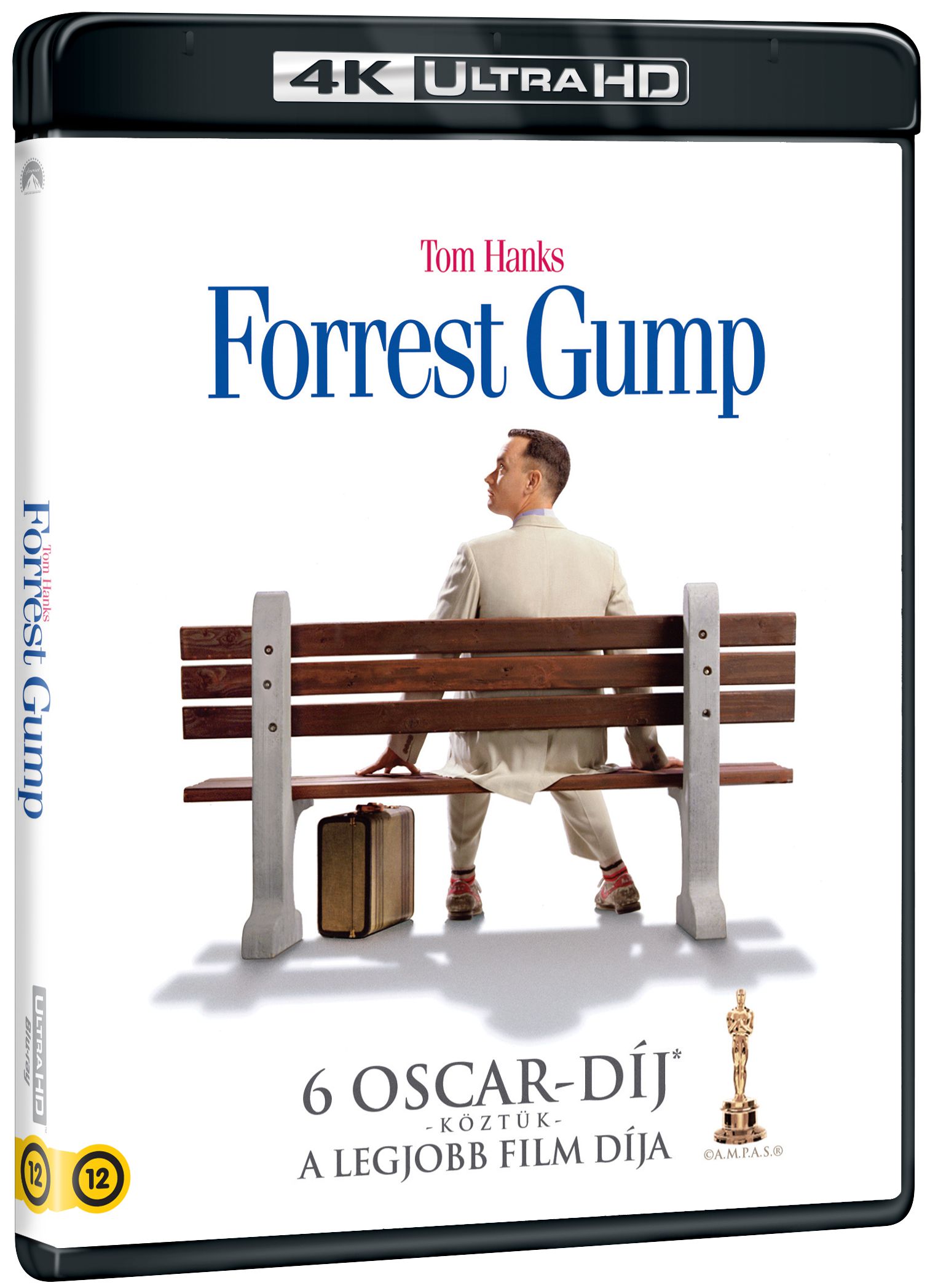
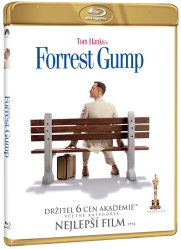
Zemeckis' film Forrest Gump is a brilliant summary of the director's art of "comic" storytelling. Formally and content-wise, it is the least conventional of his works, combining comedic gags with urgent pathos. The main character is Forrest Gump, a simple man who has been doing what he is told since childhood. He carries the lessons of his caring mother and a simple rule into his life: when you get into trouble, run. Forrest goes through various periods, from school years to university, the Vietnam War, and the death of his mother. He is often confronted with someone or something "throwing stones" at him, but gradually discovers that there are other solutions than running away. He connects his life with Jenny, who is his only love, with his friend Bubba, with whom he goes shrimp fishing, and with Lieutenant Taylor, whose life he saves in the war. Forrest's life journey from the 1950s to the 1980s is told as a "guileless" story in which his inability to assess situations clashes with his encounters with famous personalities such as Kennedy and Lennon, who are often fatally killed. Yet Forrest remains, and his story reflects American history in the post-war decades. The film won six Oscars, including Best Picture, Director, and Acting, and is an extraordinary story of fate, faith, and simplicity in a complicated world.